

Strengthening Earth to Prevent Erosion
Soil stability is essential for a thriving landscape. Erosion can lead to property damage and environmental issues, affecting plant health and local ecosystems. While there are many ways to enhance soil stability, strategic land design stands out as one of the most effective solutions. This approach involves carefully selecting plants, materials, and designs that work together to create a stable environment.
The Role of Strategic Land Design
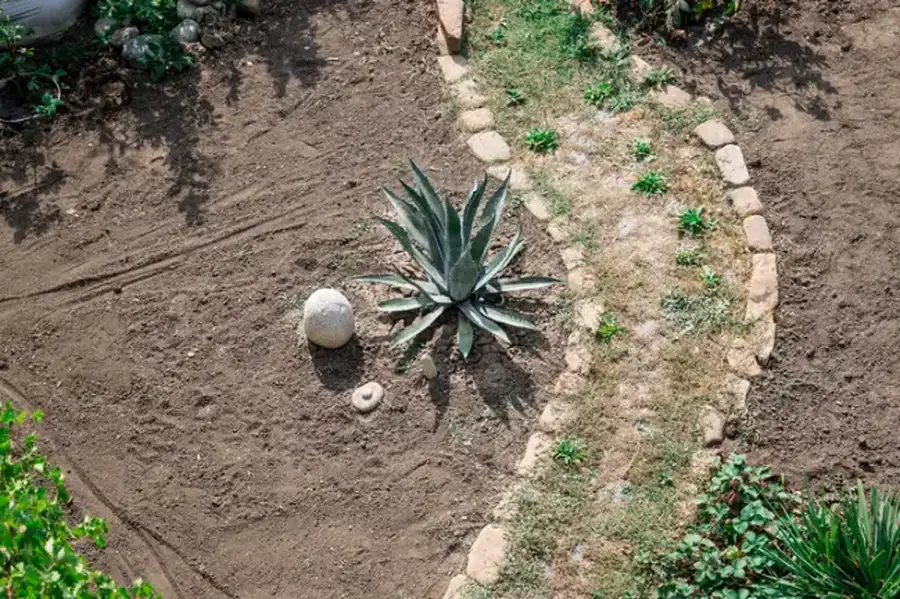
Implementing strategic land design can significantly improve soil stability. This process involves planning gardens and green spaces in a way that complements natural terrain while preventing erosion. By choosing native plants with deep root systems, you help bind the soil more effectively. Additionally, using materials like mulch or stone aids in water absorption, reducing runoff and potential erosion.
Key Benefits of Plant Selection
Selecting the right plants is crucial in maintaining soil structure. Deep-rooted plants not only anchor the soil but also enhance its organic content over time. The process of landscape installation often includes choosing vegetation that adapts well to local conditions, which ensures long-term stability. Furthermore, these plants contribute to biodiversity, fostering a healthier ecosystem.
Common Challenges in Stabilizing Soil
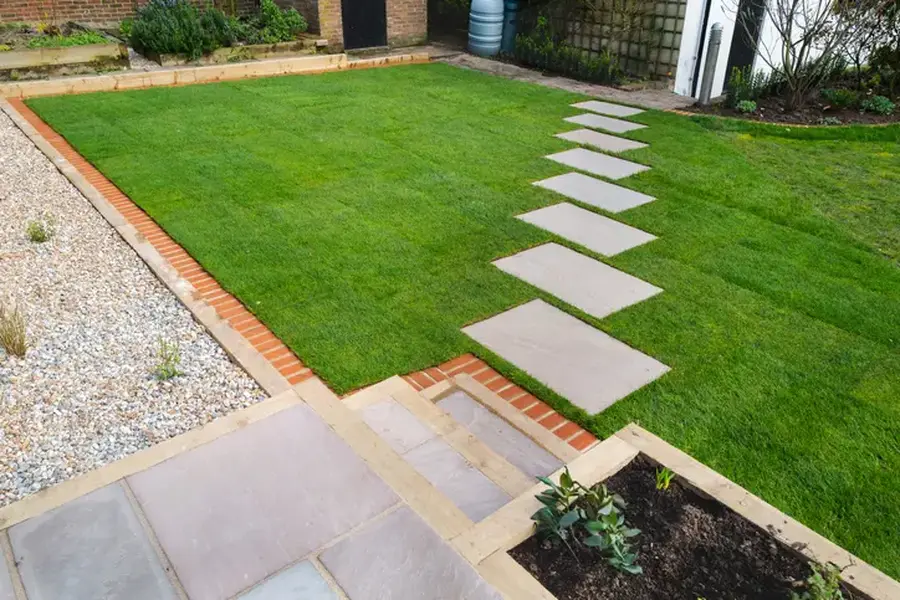
Despite the benefits, achieving soil stability is not without challenges. Poor drainage, compacted soil, and steep slopes can hinder efforts. These factors require careful consideration during landscape installation to avoid long-term issues. Addressing these problems early on prevents costly repairs and environmental impacts later.
Practical Solutions for Improved Soil Health
To combat these challenges, several practical steps should be taken:
- Conduct a thorough soil analysis before starting any project
- Incorporate organic matter to improve soil texture and fertility
- Create terraces or retaining walls for sloped areas
- Ensure proper drainage systems to prevent waterlogging
- Utilize ground cover plants to protect exposed soil
Essential Best Practices for Long-Term Success
Following best practices ensures sustainability and success. Regular maintenance is key, including mulching and pruning. It’s important to monitor water usage and adjust irrigation systems as needed. Consulting experts for advice on plant selection and site-specific solutions helps maintain the integrity of your landscape over time.
Navigating Industry Standards for Quality Assurance
Understanding industry standards is vital for quality assurance. Look for professionals who adhere to local regulations regarding landscape installation. Using certified materials and following guidelines ensures compliance and enhances reliability. Knowledge of these standards provides confidence in the durability of your landscape projects.
Evaluating Cost Factors for Economic Planning
Cost considerations play a significant role in planning your project. Initial investment in high-quality materials may seem expensive but offers better returns over time. Durable installations reduce maintenance costs, making them cost-effective in the long run. Accurate budgeting helps allocate resources efficiently.
Your Path to Enhanced Soil Stability
Investing in strategic landscaping not only beautifies your property but also fortifies it against environmental challenges. Located in Madison, WI, we offer tailored solutions to meet your specific needs. Partnering with Best Buds LLC ensures access to expert knowledge and quality service. Contact us at (608) 576-4814 to learn how we can enhance your landscape’s stability today.